Meilleur Engineering and Communication delivers trusted solar solutions designed to enhance performance, reduce costs, and support long-term sustainability. Our team focuses on precise engineering and reliable execution for every project.
Loading
Meilleur Engineering and Communication delivers trusted solar solutions designed to enhance performance, reduce costs, and support long-term sustainability. Our team focuses on precise engineering and reliable execution for every project.


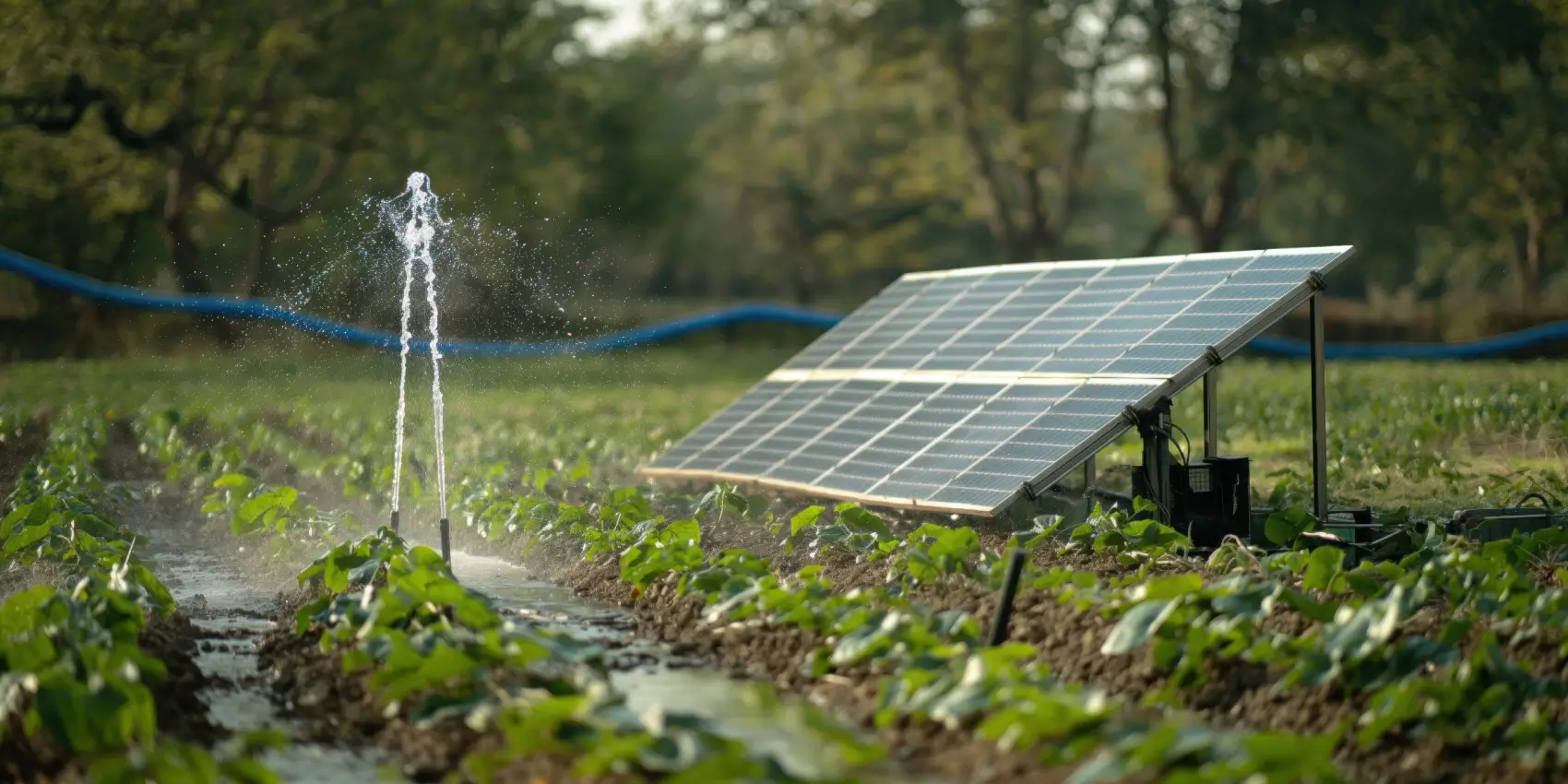
Crop cycles, irrigation schedules, and groundwater access do not align with power cuts or fuel availability. For many farmers, unreliable electricity and rising diesel costs directly translate into delayed irrigation and reduced yields.
Solar agriculture pump solutions remove this dependency by giving farmers control over water availability—powered by sunlight, not grid uncertainty or fuel prices.
The system uses solar panels to convert sunlight into electrical power, which directly drives water pumps installed at borewells, open wells, canals, or storage reservoirs.
During peak sunlight hours, pumping happens at maximum efficiency. Optional battery integration can extend operation during low-light conditions, ensuring flexibility without complexity.
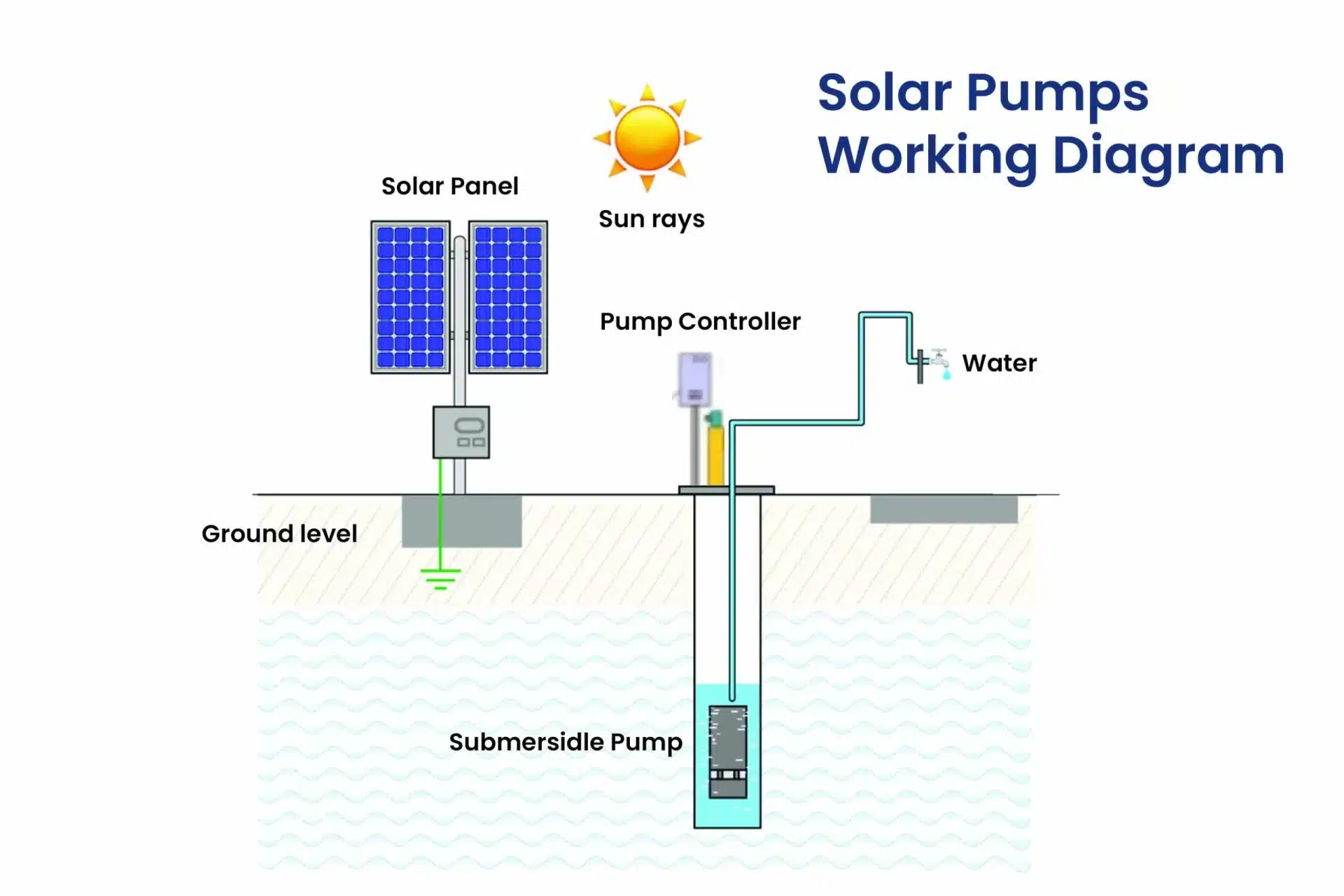
Solar pump systems adapt to different terrains, water sources, and farming practices, making them suitable across regions and crop types.
Every solar agriculture pump installation is designed as an integrated solution, balancing performance, durability, and ease of operation in outdoor farming conditions.
Solar agriculture pumps convert sunlight into dependable water access with zero fuel cost. Over time, farmers recover system costs through savings on electricity and diesel while gaining predictability in irrigation planning.
More importantly, the system supports sustainable farming practices by reducing emissions and protecting farmers from future energy price volatility.